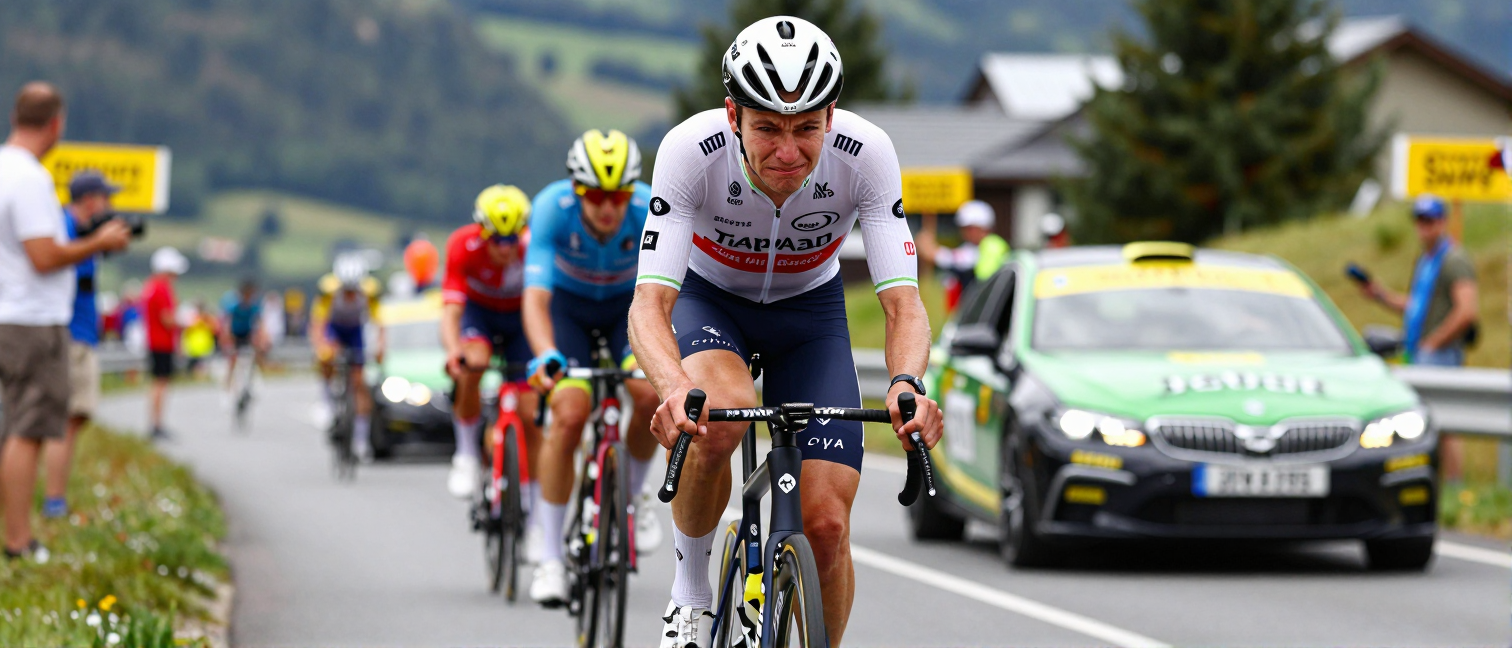
Bradley Wiggins says Tadej Pogacar’s surprise defeat in the 2026 Tour de France boiled down to a single tactical error, a view he shared on 4 July 2026 during a post‑stage interview.
What did Wiggins say?
Wiggins argued that Pogacar’s team mis‑read the final climb on Stage 20, allowing a breakaway to gain a decisive time gap. He pointed out that the peloton’s pace dropped by nearly 15 seconds per kilometre in the last 5 km, giving the attackers a window that never closed. The former Tour winner highlighted that Pogacar’s own power meter showed a dip of 8 % compared with his average on similar gradients.
Why does this matter for the sport?
The theory challenges the prevailing narrative that Pogacar simply ran out of legs. If Wiggins is right, it underscores how even the strongest riders depend on flawless team execution. It also revives debate about whether the modern Tour favours solo climbers or well‑orchestrated squads. Analysts will now sift through GPS data from the stage to see if the numbers back up Wiggins’s claim.
How do other legends react?
Lance Armstrong and George Hincapie, both present at the press conference, nodded approvingly. Armstrong said the “road decided” on that climb, while Hincapie added that “the little things matter more than ever at this level.” Their endorsement gives Wiggins’s analysis extra weight, especially as the cycling community looks for explanations beyond simple fatigue.
What could change for future Tours?
If teams accept Wiggins’s assessment, we may see tighter control on breakaway attempts in the final mountain stages. Directors could instruct domestiques to keep a higher tempo on the last climbs, preventing the kind of gap that cost Pogacar. The next Grand Tour, starting on 12 August 2026, will be the first real test of whether this tactical shift sticks.
Where does this leave Pogacar?
Pogacar, still fresh from his loss, has not commented publicly. His camp is expected to release a statement later this week, possibly addressing the team’s pacing strategy. For now, Wiggins’s theory adds a new layer to the post‑Tour analysis and gives fans another angle to dissect.
What’s next for Wiggins?
The former champion, now a commentator, will appear on the BBC’s “Cycling Today” on 8 July 2026 to expand on his theory. He plans to break down the power data and compare it with his own 2012 Tour performance, offering a rare glimpse into the analytical side of elite racing.
Bradley Wiggins continues to shape the conversation around the sport, proving that even years after his own victories, his insights still spark debate.